Summary
Understanding the difference between memory care vs. assisted living in Pueblo, Colorado helps families choose the right support for their loved one's needs. While both settings provide daily assistance, they differ significantly in training, programming, and environment.
- Memory care is specialized for people living with dementia and includes dementia-focused training, structured routines, and safety-enhanced spaces
- Assisted living supports individuals who need help with daily activities like bathing and dressing while maintaining independence and personal choice
- Associates in memory care receive specialized dementia education focusing on communication techniques and recognizing unmet needs
- Memory care neighborhoods feature secured entrances, clear visual cues, and enclosed outdoor areas, while assisted living offers broader community access
- Consider memory care when loved ones experience frequent disorientation, wandering, or difficulty completing familiar routines despite reminders
Choosing the right support for a loved one living with Alzheimer’s disease or another form of dementia is an important decision. Although assisted living and memory care can share some features, understanding memory care vs. assisted living can help families determine which setting better matches a loved one’s needs.
For families comparing senior living options in Pueblo, Colorado, the key differences often involve the level of daily support, dementia-specific programming, communication approaches, and environmental design.
Understanding the Difference Between Memory Care and Assisted Living
Assisted living is generally for older adults who need help with Activities of Daily Living, such as bathing, dressing, grooming, or medication management. Residents can receive personalized support while continuing to make choices about their routines and participate in community life.
Memory care is specifically for people living with Alzheimer’s disease or other forms of dementia. Specialized dementia care programs typically provide more structured routines, dementia-focused engagement, and safety-enhanced environments.
Some common differences include:
- Dementia-specific training and communication approaches
- More structured daily routines and specialized programming
- Safety-enhanced spaces designed around cognitive changes
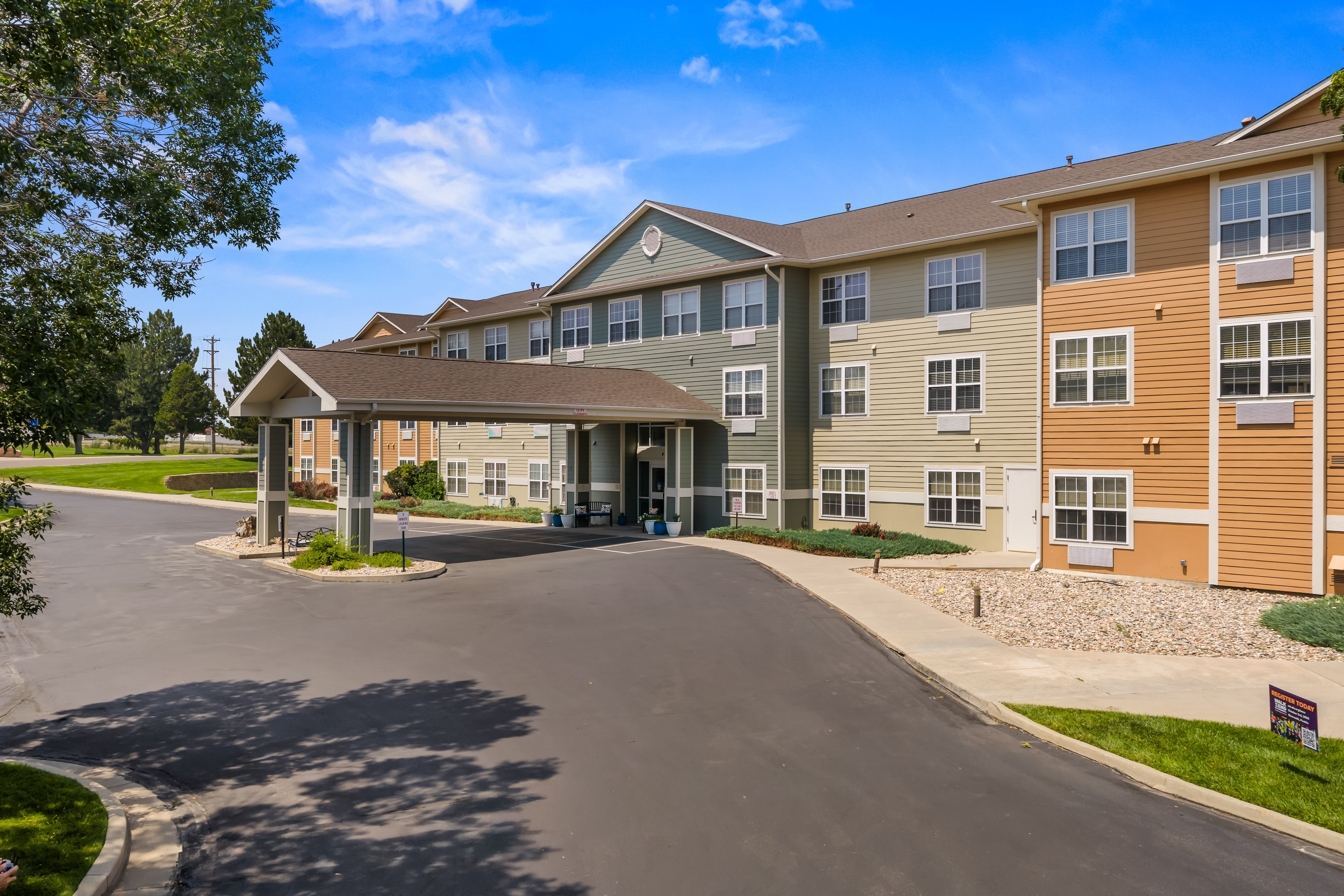
Rivaria El Camino Assisted Living in Pueblo focuses on offering daily support in a calm, familiar community setting.
How Training and Support Differ
Associates in memory care typically receive specialized dementia education. This can include understanding cognitive changes, recognizing behaviors that may communicate an unmet need, and learning communication techniques that reduce frustration.
In assisted living, associates focus on helping residents with daily needs while respecting personal routines and preferences. At Rivaria El Camino, Assisted Living residents can receive support with everyday tasks while enjoying services and amenities that make daily life easier.
The community also offers Vibrant Life®, which gives residents opportunities to choose programs and outings based on their interests, preferences, routines, and abilities.
Dementia Care Neighborhood Features
The physical environment is another important consideration in the difference between memory care and assisted living. Memory care neighborhoods may include design features intended to make surroundings easier to understand for residents experiencing cognitive changes.
Common dementia care neighborhood features may include:
- Secured or monitored entrances and exits
- Clear visual cues and simplified layouts
- Enclosed outdoor areas designed for safe movement
Assisted living environments generally offer residents more freedom to move throughout the community. At Rivaria El Camino, residents have access to welcoming common spaces, scenic walking paths, a courtyard, outdoor garden, resident lounge, and Health & Wellness amenities.
Daily Programming and Meaningful Engagement
Programming also helps distinguish memory care vs. assisted living. Memory care programs are generally adapted to different cognitive abilities and may use familiar music, sensory experiences, reminiscence, or simple purposeful tasks. Consistency and repetition can make participation easier for someone experiencing memory changes.
Assisted living programs often provide broader opportunities for social connection, wellness, creativity, and outings. Rivaria El Camino’s Vibrant Life® program allows residents to build schedules around personal interests and abilities.
Daily life also includes Elevate® Dining, featuring freshly prepared meals, familiar favorites, seasonal dishes, and restaurant-style dining. Scheduled transportation, housekeeping, apartment maintenance, and a professional salon and barbershop add convenience to the Assisted Living experience.
Communication Approaches in Memory Care vs. Assisted Living
Communication in memory care is often adapted as dementia progresses. Associates may use shorter sentences, simple choices, visual cues, and gentle redirection rather than repeatedly correcting someone who is confused.
In assisted living, residents can typically communicate their preferences, participate in decisions, and manage many parts of their routines with appropriate support. The goal is to provide assistance where needed while respecting each resident’s abilities and choices.
When to Choose Memory Care
Understanding when to choose memory care often comes down to whether dementia-related changes require a more specialized environment than assisted living can provide.
Families may want to explore memory care when they notice:
- Frequent disorientation or difficulty navigating familiar surroundings
- Wandering or other behaviors that create significant safety concerns
- Increasing difficulty completing familiar routines despite reminders
These changes do not automatically mean memory care is necessary. Families should consider the individual’s needs, abilities, preferences, and professional guidance when comparing options.
Comparing Memory Care Services in Pueblo, Colorado
When researching memory care services in Pueblo, Colorado, families should ask communities about dementia-specific training, neighborhood design, daily routines, family communication, and how programming adapts as cognitive needs change.
It's equally important to understand what assisted living provides. Rivaria El Camino is an Assisted Living community rather than a memory care neighborhood. Its approach centers on consistent daily support, familiar routines, engaging programs, and convenient services for older adults who need assistance with everyday tasks.
Choosing between assisted living and memory care is ultimately about finding the environment that appropriately supports your loved one’s current needs while respecting their dignity and preferences.
Schedule a tour of Rivaria El Camino to learn more and determine whether its services and lifestyle are the right fit for your loved one.