Summary
Paying for Assisted Living without selling your home is achievable with proper planning and knowledge of available financial options. Many families discover that combining multiple payment strategies creates a flexible, sustainable approach to affording quality care while preserving homeownership.
- Explore home equity options like reverse mortgages (for those 62+) or home equity lines of credit to access funds without selling the property
- Investigate government benefits including Medicaid waiver programs and VA Aid and Attendance benefits, which may help reduce monthly costs
- Consider converting your home into a rental property to generate ongoing income that offsets assisted living expenses
- Review long-term care insurance, annuities, or hybrid insurance products that may cover portions of care costs
- Work with family members, financial advisors, and legal professionals to create a comprehensive plan that protects everyone involved
Many families face a common dilemma when considering assisted living: how to afford quality support while preserving the family home. The good news is that selling a house is not always necessary. Understanding the many options for financing senior care and keeping the house can help families make informed decisions that support both long-term financial goals and a loved one’s comfort.
With thoughtful planning, paying for assisted living without selling the home may be more achievable than many people realize. Families often find that combining several assisted living payment options creates a more flexible and sustainable financial plan.
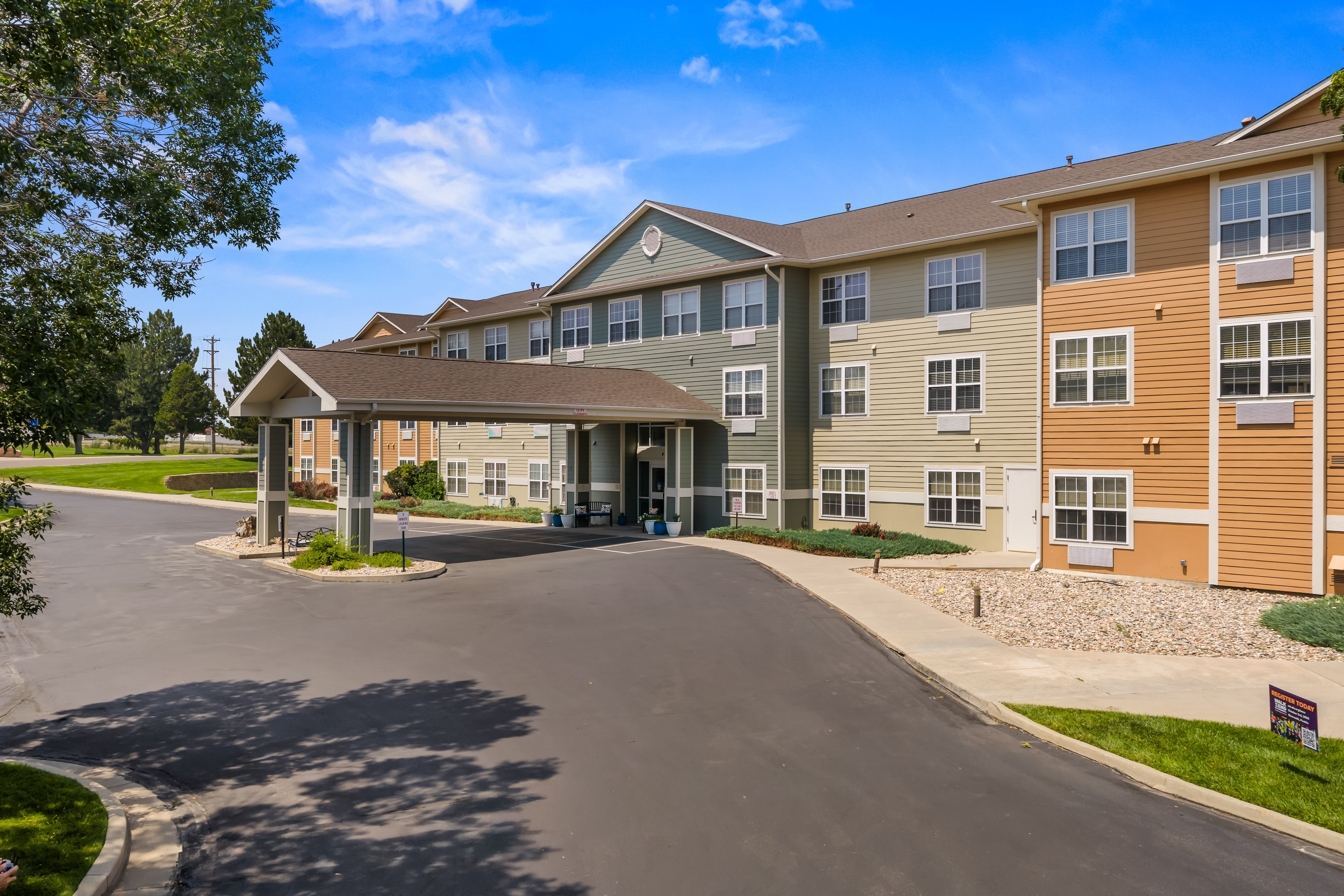
At Rivaria El Camino in Pueblo, Colorado, residents enjoy a welcoming setting with restaurant-style dining through Elevate® Dining, comfortable apartment homes, social programs through Vibrant Life®, and personalized support from experienced Associates. Exploring financial options early can help families focus more on finding the right community experience and less on feeling pressured to sell property too quickly.
Understanding Home Equity Options
One of the most common senior living financial strategies involves using home equity without selling the property outright. A reverse mortgage allows homeowners age 62 or older to convert part of their home equity into cash while continuing to own the home. Funds may be received as monthly payments, a line of credit, or a lump sum that can help cover monthly living expenses.
Another option is a home equity line of credit, often called a HELOC. This approach gives homeowners flexibility to borrow only what is needed over time. For families focused on keeping the home while in assisted living, this can provide breathing room while preserving ownership of the property.
Before making any financial decisions, it's important to speak with a qualified financial advisor or elder law attorney. Every family situation is different, and understanding repayment terms, taxes, and long-term impacts can help avoid surprises later.
Government Benefits That May Help
Families researching assisted living payment options are often surprised to learn that certain public programs may help reduce monthly costs. Medicaid waiver programs in some states can assist with certain supportive services provided in assisted living communities. Eligibility rules vary by state, but a primary residence may sometimes remain exempt under specific conditions.
Veterans and surviving spouses may also qualify for VA Aid and Attendance benefits. These monthly funds can help offset expenses while allowing families to focus on affording care without a home sale. Because program qualifications can be detailed, many families benefit from working with a local veterans’ advisor or elder law professional.
Some older adults also use a combination of Social Security income, pensions, retirement savings, and benefit programs to create a stable monthly budget for senior living expenses.
Using Rental Income to Offset Costs
Turning a home into a rental property is another practical option for families focused on paying for assisted living without selling the home. Rental income can help cover monthly community costs while preserving the property for future family use or inheritance purposes.
Families may choose from several approaches:
- Long-term leases that provide consistent monthly income
- Short-term rentals in areas with strong travel demand
- Professional property management services that help maintain the home and handle tenant needs
This strategy can work especially well for families who don't need immediate access to the full value of the property. However, rental income may affect taxes or benefit eligibility, so professional guidance remains important.
Long-Term Financial Planning Matters
Long-term care insurance may also play a role in financing senior care while keeping the house. Depending on the policy, benefits may cover portions of assisted living costs, including personal support services and daily living assistance.
Families who don't already have long-term care insurance sometimes explore annuities or hybrid insurance products that combine life insurance with long-term support benefits. These financial tools may help create predictable income while protecting other assets.
Planning ahead can also help families avoid rushed financial decisions during stressful moments. Creating a complete financial picture early often allows for more choices and greater flexibility later.
Family Support Can Make a Difference
Many families successfully combine personal resources to create sustainable senior living financial strategies. Adult children sometimes contribute monthly support, help manage rental properties, or assist with financial organization.
Other families create formal agreements that compensate relatives for certain support responsibilities. Proper documentation is important to help satisfy legal and tax requirements while protecting everyone involved.
Some helpful family planning steps include:
- Reviewing monthly income and expected expenses together
- Discussing long-term goals for the family home
- Meeting with financial and legal professionals early
- Building flexibility into the plan as needs change over time
Open communication often reduces stress and helps families feel more confident about future decisions.
Creating a Plan That Supports Long-Term Goals
Every family’s financial situation is different, which is why there is no one-size-fits-all solution for affording care without a home sale. The best approach often involves combining several strategies together while remaining flexible as needs evolve.
For many families in Pueblo, communities like Rivaria El Camino can offer peace of mind through supportive services, engaging daily programs, chef-prepared dining, and comfortable apartment homes that help residents feel at home. Having a clear financial plan in place can make the transition feel more manageable and less overwhelming.
By exploring assisted living payment options early, families may discover more opportunities for keeping the home while in assisted living than they originally expected. Careful planning, professional guidance, and open family conversations can go a long way toward protecting both financial stability and quality of life.
Schedule a tour at Rivaria El Camino to learn more about the community, available living options, and ways families can plan confidently for the future.