Summary
When older adults resist moving to assisted living, it's rarely about stubbornness—it's about fears of losing control, misconceptions about community life, and the emotional weight of leaving home. Understanding these concerns helps families approach the conversation with patience and real solutions.
- Fear of losing independence and daily choices is the biggest worry; modern communities preserve autonomy while offering support where needed.
- Outdated images of institutional settings drive resistance; today's Assisted Living includes private apartments, chef-prepared meals, and personalized schedules.
- Emotional attachment to home and decades of memories deserves respect; bringing familiar belongings helps the transition feel less like a loss.
- Financial concerns often hide the real cost of staying home; bundled services at a community may cost less than maintenance, utilities, and care combined.
- Pride and not wanting to burden family can mask real struggles; gentle, specific observations work better than broad health concerns.
When families bring up assisted living, many older adults say no before the sentence is finished. Adult children who can see a parent skipping meals or spending long days alone often find that reaction puzzling. It isn’t stubbornness. Understanding why seniors don’t want assisted living helps families in Pueblo, CO, approach the conversation with more patience, and it’s a conversation our associates at Rivaria El Camino have often.
Moving is one of life’s bigger transitions. A home holds decades of memories, familiar routines, and a sense of control over the day. The fears behind a senior’s objections to moving feel very real to the person facing the change, and they deserve a closer look.
Fear of Losing Control and Personal Freedom
The most common worry isn’t about the community itself. It’s about what a move might mean for self-direction. Many older adults assume that choosing a care community means handing over every decision about how they spend their time.
That fear makes sense, because having a say over daily life matters at every age. The reality looks different. At Rivaria El Camino, residents in our Assisted Living community receive personalized support with the tasks that have become harder while keeping the choices that shape a good day:
- Waking up and starting the morning on their own schedule
- Choosing which Vibrant Life® outings and programs to join, or skipping them entirely
- Keeping familiar routines, from a walk along the scenic paths to a quiet evening on the patio
- Knowing help is nearby when they want it, and out of the way when they don’t
Misconceptions About What Assisted Living Actually Means
Many older adults resist care communities because of outdated pictures of institutional hallways, strict schedules, and shared rooms. Those images usually come from visiting a grandparent decades ago or from movie scenes that have little to do with today’s reality.
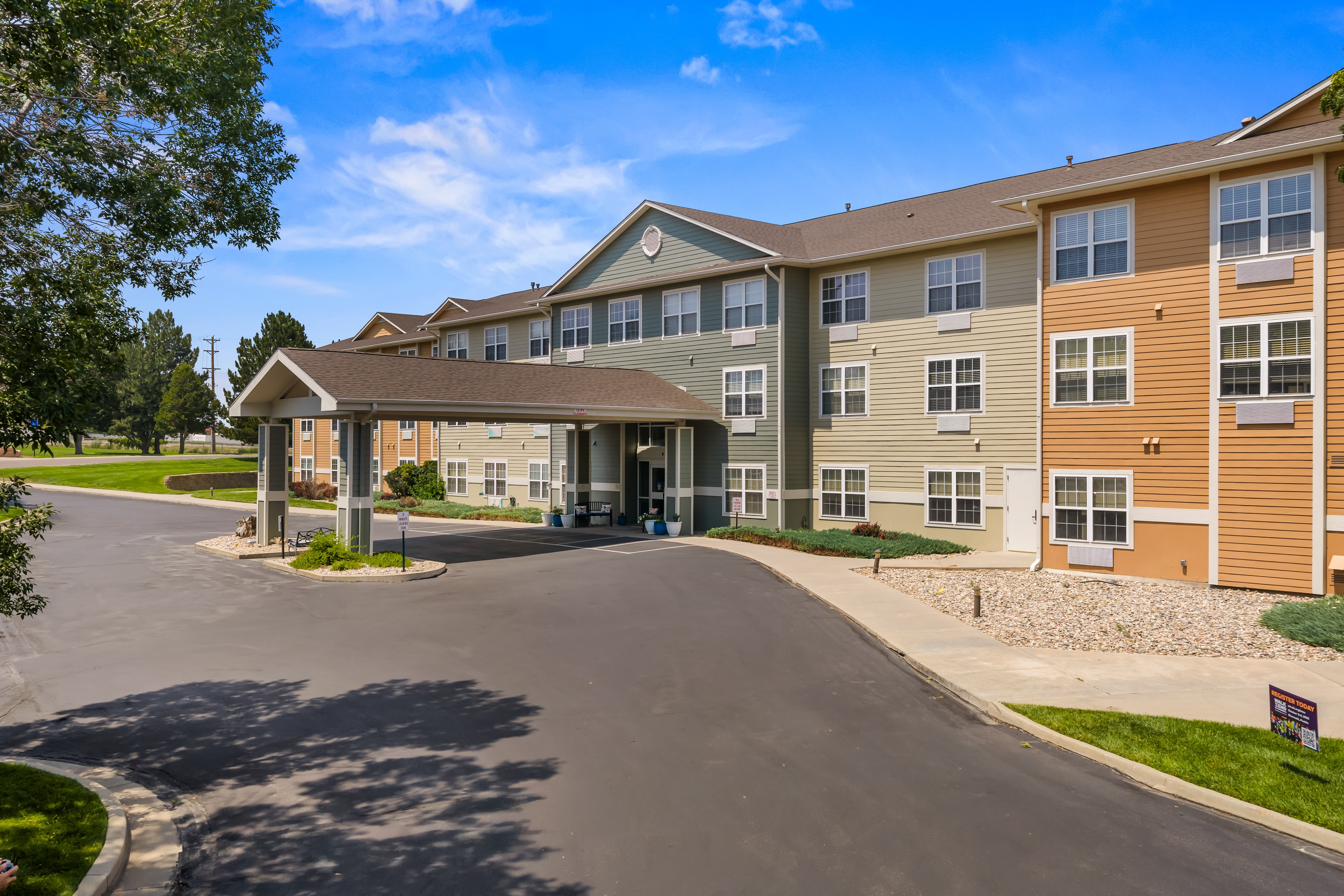
Senior fears about assisted living are often built on misinformation. Here is what daily life actually includes at Rivaria El Camino:
- Private apartment homes with a kitchenette, a spacious bathroom, generous closet space, and a patio
- Chef-prepared meals served restaurant-style through Elevate® Dining, with local favorites alongside the classics
- A professional salon and barbershop and a Health & Wellness center
- Complimentary scheduled transportation for appointments near Parkview Medical Center, errands, and outings around Pueblo
- Designer-remodeled common areas, a courtyard, and an outdoor garden
Nothing clears up these misconceptions like an in-person visit. Seeing the apartment homes and meeting current residents often changes the conversation more than any brochure could.
The Emotional Weight of Leaving Home
A house becomes more than walls and a roof after years of living in it. It holds the memories of raising children, hosting holidays, and building a life. Senior objections to moving often center on losing that connection to the past and to the neighborhood they know.
That attachment deserves respect, not a counterargument. Families can help by talking about what will be gained, not just what is being left behind. At Rivaria El Camino in Pueblo, CO, residents bring their own furniture, photos, and favorite belongings so the apartment feels like theirs from the first night. Pets are welcome, too. New friendships form over meals and in the resident lounge. The past isn’t erased. It simply gets a new setting.
Concerns About Cost and Financial Security
Money is another significant reason why older adults resist care communities. Some assume they can’t afford it. Others fear outliving their savings, or want to protect an inheritance for their children.
These concerns call for an honest comparison. Add up what staying home actually costs each month:
- Maintenance, repairs, and yard work
- Utilities, insurance, and property taxes
- Groceries, meal preparation, and transportation
- Any in-home care services that may be needed now or soon
Housekeeping, laundry and linen service, apartment maintenance, dining, and transportation are all included with rent here, and many families find the total is closer to what they already spend than they expected. Our floor plans and pricing page is a practical place to start, and our Veterans Program offers savings for those who served.
Not Wanting to Burden Others or Admit Struggles
Pride plays a part. Many older adults grew up valuing self-sufficiency and don’t want to admit they need help, so they minimize problems or hide them from family to avoid seeming dependent.
That habit means the reasons seniors refuse assisted living sometimes cover deeper issues. A parent may say everything is fine while skipping meals because cooking has become too hard, or staying home because driving no longer feels safe. Gentle, specific observations (“I noticed the fridge was nearly empty”) land better than broad worries about their well-being.
How to Move Forward With Understanding
Overcoming assisted living resistance starts with listening rather than convincing. Ask what your parent is most worried about and take the answer seriously. Visit communities together when they’re ready, with no pressure to decide that day. A short respite stay can be a low-commitment way to try community living. Share accurate information about modern care communities that speaks to their real worries, not assumed ones.
The goal isn’t to win an argument. It’s to help your parent make an informed choice that improves daily life.
A Conversation Worth Having
At Rivaria El Camino, we know these conversations take time and emotional energy, and our associates are glad to answer questions and help your family decide whether our community is the right fit. Schedule a personalized tour to see our apartment homes and experience the atmosphere firsthand.