When people ask, "What's the difference between dementia and Alzheimer's?" the answer is straightforward. Dementia is a term for a group of symptoms, while Alzheimer's is a specific disease that causes those symptoms. Both affect memory and daily functioning, and the distinction matters because confusion between the two can delay planning and proper care.
With over 7 million Americans living with Alzheimer's disease, many families are facing difficult decisions about memory loss in seniors, and the best support for loved ones as cognitive decline progresses (Alzheimer's Association).
This article focuses on cognitive decline education to help you make well-informed decisions about care options in Pueblo, CO.
What Is Dementia?
Dementia is not a single disease. It describes a set of changes that reflects a decline in mental abilities. It involves significant memory loss, impaired reasoning, language difficulties, and behavioral changes that interfere with daily activities.
Different brain health conditions can lead to dementia symptoms. These may include:
- Vascular Dementia: It results from limited blood flow to the brain.
- Lewy Body Dementia: Linked to abnormal protein deposits.
- Frontotemporal Dementia: It affects personality and language.
- Alzheimer's Disease: The leading cause of dementia.
In people with dementia, brain cell damage can interfere with several cognitive skills. These effects worsen over time, making daily tasks like planning, paying bills, remembering appointments, and communicating gradually harder.
What Is Alzheimer's Disease?
Alzheimer's is a progressive brain disorder that compromises memory and thinking skills. It accounts for 60-80% of dementia cases. Alzheimer's typically begins with difficulty remembering recent events, then advances to problems with language, judgment, mood, and eventually physical functioning.
Unlike dementia as a general category, Alzheimer's has a defined biological basis in the brain involving abnormal protein buildups. The disease is marked by shrinkage in areas, especially the hippocampus, and disruptions in how brain cells communicate.
Alzheimer's disease is distinct and not simply a symptom set, and it has specific progressive patterns that can help identify it.
Dementia vs Alzheimer's: How Do They Differ?
Dementia can have many causes, but Alzheimer's always involves progressive damage to the brain.
Dementia may progress differently depending on the underlying condition. Alzheimer's worsens over time and often leads to increasing care needs as the disease advances.
Treatments for dementia vary based on the cause. Alzheimer's currently has no cure, though medications and therapies can help manage symptoms. The biggest risks for dementia and Alzheimer's are:
- Age
- Genetics
- Certain health and lifestyle factors
While age and family history cannot be changed, you can limit the risk of cognitive decline by managing:
- High blood pressure
- Diabetes
- Smoking
- Physical inactivity
Assisted Living Memory Care: Peace of Mind for Families in Pueblo, CO
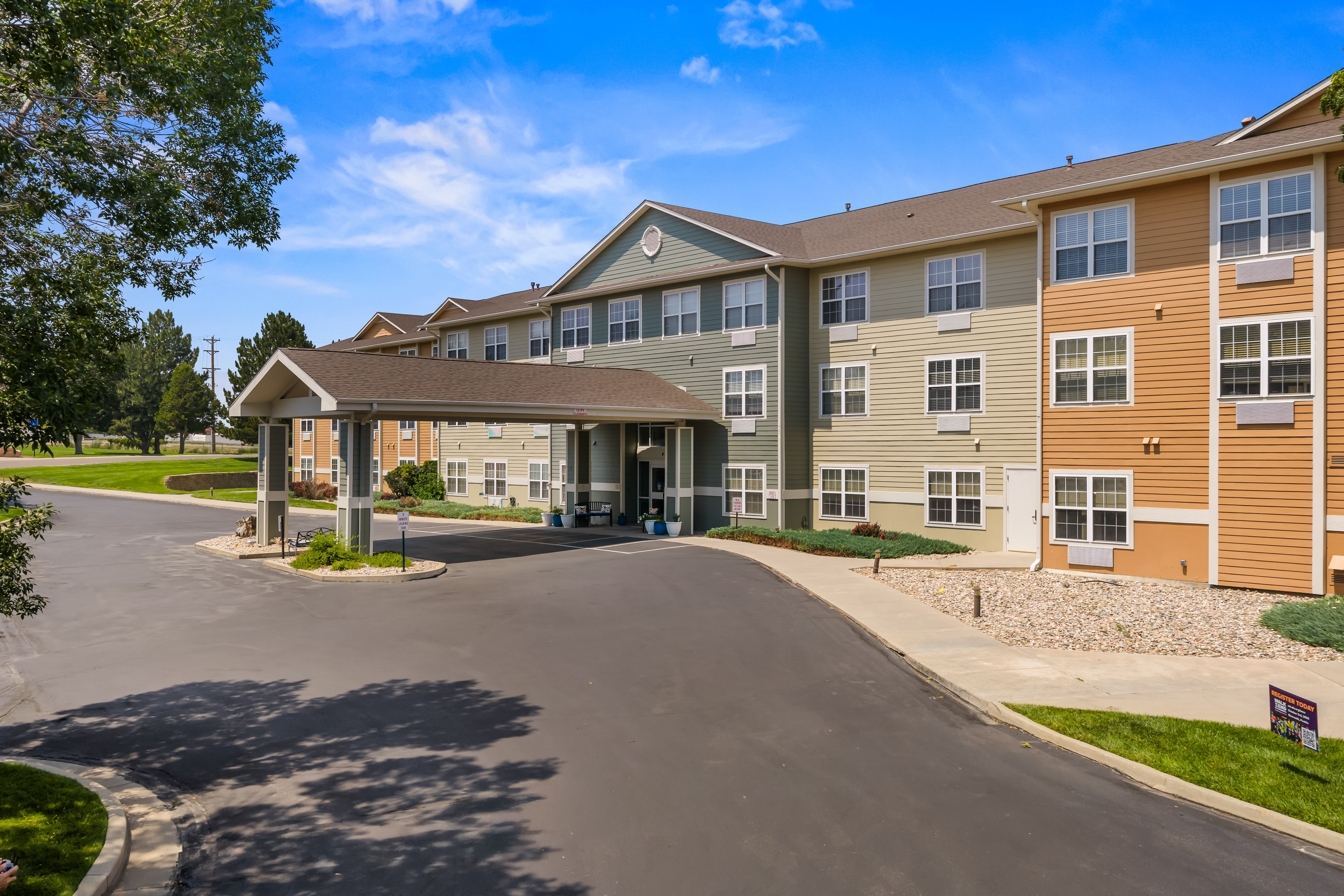
Assisted living communities such as Rivaria El Camino are designed to help residents stay independent and enjoy a better quality of life. Benefits of this care option include the following:
Support with Daily Activities
Even in the early stages of dementia or Alzheimer's, simple tasks can become challenging. Bathing, cooking, and medication management may no longer be safe to manage alone. In assisted living communities, trained staff know how to help.
Structured Environment
Routines and predictable schedules can reduce confusion and anxiety for individuals experiencing cognitive changes. Regular mealtimes, activities, and reminders help create stability that seniors greatly benefit from.
At Rivaria El Camino, residents can participate in our Vibrant Life® program. It provides structure while supporting autonomy as they can plan their own schedules based on their:
- Interests
- Preferences
- Abilities
Social Engagement
Isolation can worsen cognitive decline and negatively affect mood. Rivaria El Camino encourages social interaction through shared meals, group events, and casual opportunities to connect with peers.
Programs such as Path to Wellness offer activities for the mind, body, and spirit. Residents can join in:
- Exercise classes
- Trivia contests
- Meditation
- Walking groups and more
This helps them stay engaged. It also promotes emotional well-being and maintains social skills.
Frequently Asked Questions
Do People Confuse Dementia With Normal Aging?
Yes. Because both involve changes in memory, it can sometimes be difficult to tell the difference. Normal aging might cause occasional forgetfulness, such as:
- Misplacing items
- Forgetting names
- Taking longer to recall words or details
For the most part, daily routines are unaffected by aging. Dementia, however, causes ongoing memory loss and problems with thinking, reasoning, or daily tasks. These issues can make it hard to stay independent.
This overlap in early symptoms is why dementia is sometimes mistaken for normal aging.
How Are Dementia and Alzheimer's Diagnosed?
A dementia diagnosis involves clinical assessments of memory, thinking, and daily functioning. To rule out other causes and identify the type of dementia, healthcare providers check cognitive abilities using:
- Screening tools and neuropsychological testing
- Medical history reviews
- Brain imaging or lab work
Alzheimer's disease is diagnosed using similar methods. In addition, doctors also look for patterns of decline and biological markers, such as plaques and tangles. This helps to distinguish Alzheimer's from other causes of dementia.
Does Everyone With Alzheimer's Have Memory Loss?
Yes, memory loss is a hallmark of Alzheimer's disease, especially in the early stages. Other cognitive abilities may also decline, but short-term memory loss is often the first clue.
Can Dementia Be Reversed?
Some causes of cognitive decline can be reversed if the underlying condition is treated. This may include the following:
- Vitamin deficiencies
- Thyroid problems (research still ongoing in this regard)
- Certain medication effects
Degenerative dementias, including Alzheimer's, remain irreversible. Even so, appropriate care and support can lessen symptoms and slow progression.
Final Thoughts on What's the Difference Between Dementia and Alzheimer's
Understanding the question "what's the difference between dementia and Alzheimer's" helps families recognize the unique nature of each condition. This allows them to make informed decisions about planning, resources, and moving forward.
Give your loved one the opportunity to live fully at Rivaria El Camino, where Assisted Living is paired with signature programs to support independence and daily enjoyment. Our community in Pueblo is designed to inspire curiosity, connection, and wellness every day, with a caring team ready to assist whenever needed. Take the next step and contact us today.