Summary
When home modifications aren't enough for seniors, it may be time to explore Assisted Living as a better support option. This guide helps families recognize the limits of home safety equipment alone and understand what a senior community can provide that a modified home cannot.
- Home modifications address mobility and physical safety but can't manage medication, meals, social connection, or personal care—the human support a senior truly needs
- Warning signs include continued falls despite equipment, missed medications, neglected bills, weight loss, and withdrawal from activities once enjoyed
- Assisted Living bundles meals, housekeeping, medication management, wellness checks, and social programming into one predictable monthly cost, often more affordable than juggling separate services
- A senior community offers trained associates available around the clock, professional meal preparation, transportation, and activities designed around individual interests
- Moving to Assisted Living reflects smart planning ahead rather than loss of independence—residents keep their routines while gaining essential daily support
The grab bars are installed. The stair lift works fine. And yet something still feels off every time you visit. Maybe it's the medication bottles still sitting untouched, or the fridge that hasn't been restocked in a while. It's a strange kind of worry: the house looks safer on paper, but it doesn't feel that way anymore.
Most families don't reach this point overnight. It builds slowly, one small worry at a time, until the modifications that once felt like enough start to feel like they're missing something. If that sounds familiar, you're not imagining it, and you're not alone in wondering what comes next.
Recognizing the Limits of Home Modifications
Grab bars, ramps, and stair lifts genuinely help older adults stay in their homes longer. They address real physical challenges that come with aging. But there comes a point when even the most thoughtful modifications reveal their limits: structural changes alone can't provide full support for a senior's changing needs.
Home modifications solve space and mobility problems. They don't address social isolation, medication management, meal preparation, or personal care needs. When daily tasks become harder despite a house full of safety equipment, many Pueblo families start asking whether aging in place is no longer working, and whether there's a better path forward.
Warning Signs That Home Modifications Aren't Providing Enough Support
A few patterns tend to show up when aging in place becomes unsafe, even with a house full of adaptations:
- Falls continue despite grab bars, railings, and other safety equipment
- Missed medications become common, even with reminder systems in place
- Mail and bills pile up unopened
- Household upkeep slips, or the refrigerator holds more expired food than fresh
- Noticeable weight loss points to inadequate nutrition
- A parent stops going to activities they once enjoyed, or seems more isolated
The house itself may be safer, but if emotional and social needs go unmet, overall well-being still suffers. When adult children find themselves visiting more often to help with tasks rather than just to spend time together, that shift is usually worth a closer look.
What Home Modifications Can't Address
Even a fully adapted home has limits. Bathing, dressing, and mobility assistance require another person's presence, something no ramp or grab bar can provide. Home safety modifications vs assisted living often comes down to this: one changes the environment, the other adds the human support that environment can't supply on its own.
Cognitive changes raise the stakes further. A senior dealing with memory concerns may forget how to use adaptive equipment altogether, or feel confused by it. That calls for trained associates who can offer steady awareness and gentle guidance, something that goes well beyond what any home renovation can do.
Comparing the Real Costs
Home modifications require an upfront investment, and many families assume that one-time cost makes aging in place the more affordable option. In practice, the ongoing expenses add up fast:
- In-home personal care assistance
- Emergency response systems and wellness checks
- Meal delivery and grocery costs
- Transportation for appointments and errands
- Ongoing home maintenance and repairs
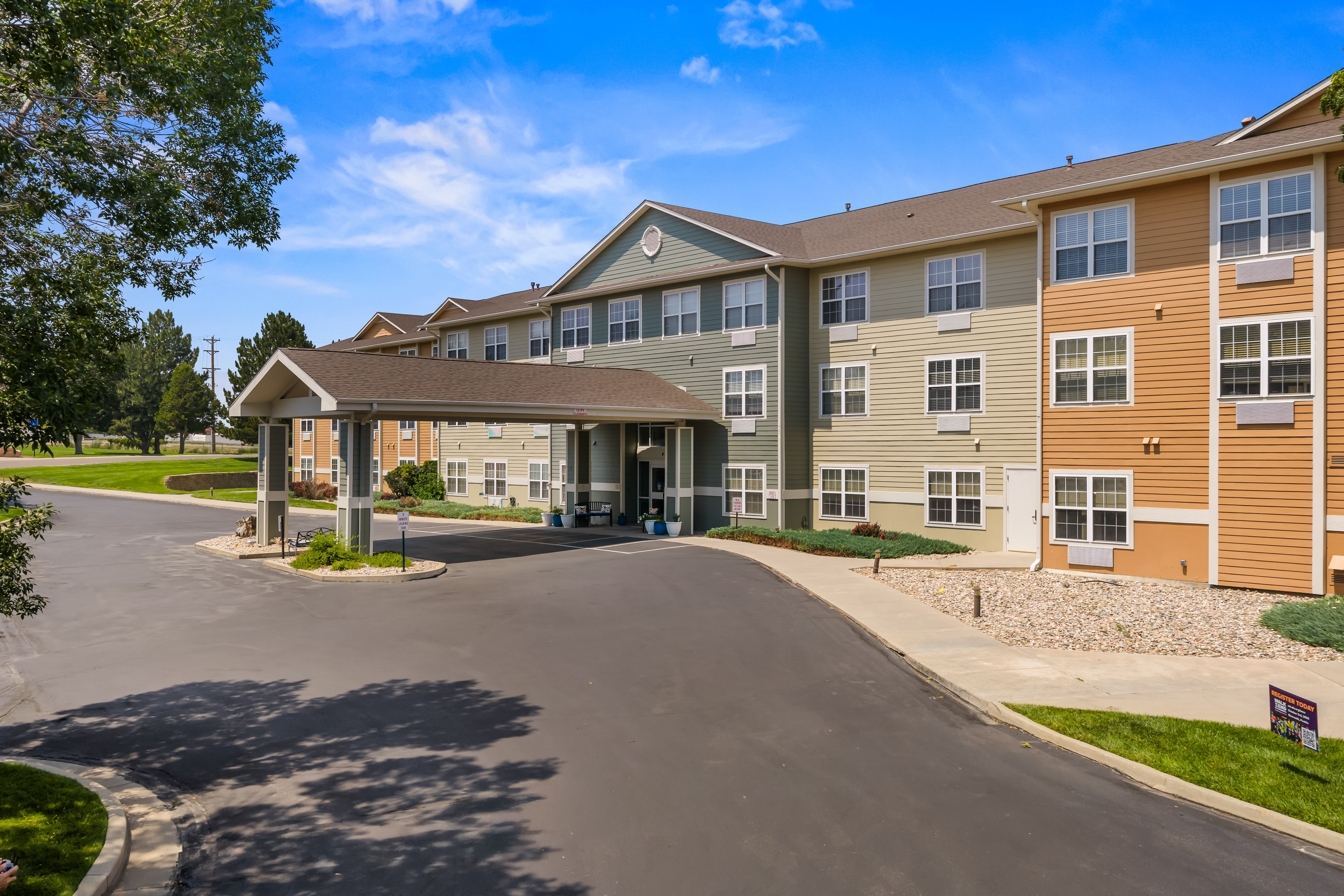
At Rivaria El Camino in Pueblo, CO, meals, housekeeping, social programming, and wellness support are bundled into one predictable monthly fee. For many families weighing home modifications or assisted living, that kind of simplicity ends up being more cost-effective than juggling several separate services while still maintaining a private home, especially once you factor in the value of having help available around the clock.
Senior Safety Beyond Home Modifications
Modern assisted living communities offer support that home modifications simply can't replicate. At Rivaria El Camino, that looks like:
- Trained associates who provide personalized help with daily tasks, medication management, and wellness checks.
- Chef-prepared meals through the Elevate® Dining program, which blends fresh seasonal dishes with residents' favorite home-style recipes.
- Weekly housekeeping and full apartment maintenance, so residents aren't managing repairs or chores on their own.
- Scheduled outings and social programming through Vibrant Life®, built around each resident's own interests and pace.
- Convenient scheduled transportation for medical appointments and errands around Pueblo.
- A professional salon and barbershop on site.
- A dedicated Veterans Program offering exclusive savings, led in part by team leadership with firsthand military experience.
Rivaria El Camino also reflects Pueblo's own community-oriented character. Set near established neighborhoods and close to Parkview Medical Center, we offer apartment homes such as the Mulberry suite, the one-bedroom Silver Maple, and the two-bedroom Blue Spruce, giving families a range of options as care needs change. The setting feels residential and familiar rather than clinical, which matters for families who want their loved one to feel at home, not just cared for.
Making the Transition With Confidence
Deciding that home modifications or assisted living is the right next step takes honesty, not defeat. It reflects planning ahead rather than giving something up. Touring a community, talking with current residents, and spending time in the space firsthand often makes the answer clearer.
Think of the move less as giving up independence and more as adding support around it. At Rivaria El Camino, residents keep their routines and their sense of self while gaining help with the parts of daily life that have become harder to manage alone.
Frequently Asked Questions
How do I know if it's time to consider assisted living instead of more home modifications? Look at patterns, not isolated incidents: repeated falls, missed medications, neglected bills or housekeeping, weight loss, or a parent withdrawing from activities they used to enjoy. Any one of these is worth discussing with family and a physician.
Is assisted living really more affordable than staying home with added support? It depends on the services needed. Once you add up in-home care, meal delivery, transportation, and home upkeep separately, many families find a bundled monthly fee at a community like Rivaria El Camino compares favorably.
What if my parent isn't ready to leave their home? A tour often helps more than a conversation. Seeing the apartment homes, meeting associates, and sitting in on a Vibrant Life® activity can make the idea feel far less abstract.
If your family is weighing home modifications or Assisted Living, come see what daily life looks like at Rivaria El Camino. Schedule a tour today.