SPECIAL OFFERS
Sign up to receive special offers and updates

*Offer subject to change without notice. Contact a Director of Sales for complete offer details.

Use Chat : true

Treatment for Loss of Appetite in Elderly Residents: What Works?

Written By: Rivaria El Camino
Treatment for Loss of Appetite in Elderly Residents: What Works?

The most effective treatment for loss of appetite in the elderly combines structured mealtime routines, nutrient-dense small meals, sensory stimulation, and social engagement. These strategies help seniors maintain weight, get essential nutrients, and enjoy eating again.

Appetite loss is common among seniors. According to a Cambridge University Press article, this affects approximately 15% to 30% of the senior community-based population, with even higher rates among individuals in hospitals and nursing homes, where underlying health issues and medical care needs often contribute to reduced appetite.

When not addressed properly, it can lead to:

  • Muscle weakness
  • Hormonal imbalances
  • Digestive issues

When this happens, families and caregivers need to implement effective ways to support nutrition without turning mealtimes into stressful situations.

The right approach should balance the physical, sensory, emotional, and social aspects of eating so that Pueblo, CO, seniors can keep up their daily routines and stay active and healthy.

Why Do Seniors Lose Their Appetite?

In seniors, appetite loss often stems from a mix of health and lifestyle changes. This may include:

Physiological Changes

As the body ages, digestion slows, and taste and smell become less sharp, making meals less appealing. Chronic conditions such as heart disease or thyroid disorders can also interfere with normal hunger signals.

Medication Side Effects

Some prescriptions alter taste, cause nausea, or reduce saliva, making eating uncomfortable. Seniors taking multiple medications are especially at risk for appetite loss linked to side effects.

Psychological and Social Issues

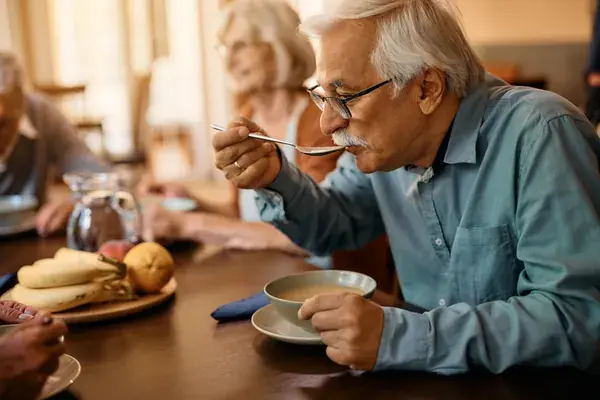
Depression, loneliness, or lack of motivation can reduce interest in food and mealtimes. When seniors eat alone, meals can feel like chores rather than enjoyable experiences.

Difficulty Chewing or Swallowing

Dental problems or conditions, such as Parkinson's disease, can make chewing and swallowing painful. Dementia and other neurological disorders may further complicate eating, leading to reduced food intake.

Recognizing these causes helps caregivers tailor treatment to seniors' specific needs.

How Do Senior Communities Provide Senior Nutrition Support?

Rivaria El Camino embraces wellness in assisted livingthrough an innovative dining approach. In addition to chef-prepared meals with tableside services, we accommodate all dietary requirements and restrictions, including specialized diets for conditions such as:

  • Hypertension
  • Heart disease
  • Diabetes

Our Elevate® dining program also includes:

Elevate® Inspires

Food becomes a way to give back through partnerships with local charities and community engagement. This program encourages residents to connect beyond the dining room. It also proves it's never too late to make a positive cultural impact.

Chef's Academy

These events foster social interaction and meaningful connections between residents and staff. It showcases the talents of our culinary learners and includes:

  • Exhibition cooking
  • Educational presentations
  • Resident cook-offs

Culinary Keepsakes

Dining transforms into an immersive cultural journey. Residents might enjoy an Italian happy hour with accordion music or try a dish featuring a local specialty. Culinary Keepsakes broadens horizons, adds cultural context, and brings the community together.

Traditions to Table

Time-honored traditions are celebrated as residents share their signature recipes, offering the community a glimpse into cherished culinary memories. This program creates opportunities to build new experiences rooted in the joy of gathering around the table.

Practical Elderly Dining Strategies

Predictable meal times establish a rhythmthat reminds the body it's time to eat. Giving seniors the flexibility to choose from a variety of meals can also make a difference. To make eating less frustrating for those with arthritis, tremors, or low hand strength, try using:

  • Weighted utensils
  • Curved or angled spoons/forks
  • Large-handled utensils
  • Non-slip placemats
  • Two-handled mugs
  • Adaptive food guards
  • Straw holders or long straws

Nutritious snacks can help prevent fatigue and stabilize blood sugar. These can include:

Snacks also help ensure seniors who eat smaller portions at mealtimes still meet their daily nutritional needs.

Frequently Asked Questions

When Should Families Worry About Appetite Loss in Seniors?

Beyond appetite changes, watch for specific warning signs. This may include:

  • Skipping more than two meals a day.
  • Signs of dehydration (confusion, dizziness, dark urine).
  • Visible loss of strength or frequent falls.

If appetite loss continues for more than a couple of weeks or interferes with health and independence, it's time to seek medical evaluation.

How Can Families Talk to Seniors About Appetite Loss?

Begin with empathy and gentle curiosity. Instead of asking "Why aren't you eating?", try open-ended questions like "What foods sound good to you right now?" or "Do you enjoy the mealtime setting here?"

This helps seniors feel heard rather than pressured. Families can also frame conversations around comfort and enjoyment. It helps to focus on favorite flavors, textures, or social aspects of meals.

Involving staff as partners in the discussion ensures that care plans reflect both dietary needs and personal preferences.

Are Appetite Stimulants Safe for Seniors?

Doctors sometimes use appetite stimulation, but they do so carefully because of side effects. Natural approaches, as discussed, are usually tried first. Stimulants are considered only if weight loss or malnutrition becomes a serious risk.

Can Loss of Appetite in Seniors Be Reversed?

In many cases, yes. It helps to address underlying issues like:

  • Bad dentition (gum disease, tooth decay, cavities)
  • Uncomfortable dentures
  • Depression

How Does Exercise Affect Appetite in Seniors?

Light physical activity increases energy expenditure, which naturally stimulates hunger signals. It improves digestion and metabolism, helping the body process food more efficiently. It also improves circulation, which supports nutrient absorption and energy levels.

Importantly, physical activity can boost mood and reduce stress, both of which are closely tied to appetite regulation.

For seniors, the goal isn't intense workouts but consistent, manageable activity such as short walks or chair exercises.

Treatment for Loss of Appetite in the Elderly: Strategies for Success

Effective treatment for loss of appetite in the elderly starts with finding the cause and acting promptly. Early intervention helps prevent weight loss and poor nutrition. When caregivers monitor changes and adjust care, seniors are more likely to stay independent and maintain their quality of life.

Assisted Living at Rivaria El Caminogives seniors access to 24-hour on-site associates, while supporting independence in a bright, welcoming community. Our personalized care plans, along with Vibrant Life® and Elevate® dining programs, create daily structure, social connection, and meaningful experiences that support overall wellness. Contact us today to learn more.

Related Posts